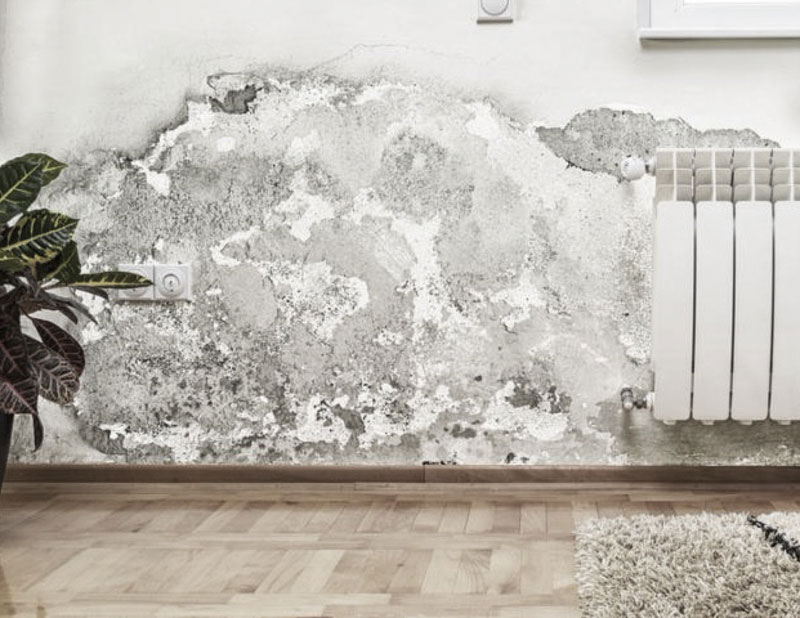
Most property owners will cringe at the thought of fire or water damage on their property. While these cause immediate and extensive damage, there is another danger that mold remediation Reno lurks between behind the scenes causing damage to your property and exposing the occupants to health risks. This danger is mold. There is high chance of mold growing on your property in Reno than a fire occurring which is why you should start paying more attention to the threat of mold and seeking mold remediation Reno NV if you spot signs of mold.
Mold can grow on any property provided the conditions are right. The only one condition that is usually unavailable for mold growth on any property is excess moisture or water. Organic surfaces, mold spores and oxygen are readily available anywhere. When moisture becomes available, mold spores will start growing in just 24 to 48 hours. Then quickly, the colonies will start to spread causing damage to your property and becoming a risk to your health.
Spotting signs of mold on your property
Early detection of mold growth is crucial for prompt remediation and safeguarding your well-being. There are various ways of identifying signs of mold on your property. You can look for visual signs and you could also opt to use a mold kit. Let’s look at the different ways of identifying signs of mold:
Visual signs – Look for discolored patches on walls, ceilings, floors, and furniture. Common colors associated with mold include black, green, brown, and white. These discolored areas might appear fuzzy or textured.
Musty odors – A persistent musty smell, often described as earthy or damp, can be a strong indicator of hidden mold growth. This smell is due to the volatile organic compounds (VOCs) dissipated by mold as it grows.
Health concerns – If you experience unexplained respiratory problems like coughing, wheezing, or difficulty breathing, especially coupled with other allergy-like symptoms, mold exposure could be cause. If this is the case, immediate mold remediation Reno NV will be needed to safeguard the health of the occupants.
These signs are not foolproof and hidden mold growth occurring behind walls or underneath flooring can easily go undetected. If you suspect mold, even without readily visible evidence, it’s crucial to take further steps for confirmation which will more often than not include calling in professionals. Professional Reno mold remediation often starts with a proper inspection and assessment of the property to determine the extent of the mold problem.
Mold Test Kits for Mold Identification – The other way of identifying mold on your property is through mold test kits. Mold test kits offer a readily available option for homeowners to assess potential mold concerns and seek Reno mold remediation services. However, it’s important to understand the limitations of these kits:
Accuracy – Not all kits are created equal. Some might have lower accuracy or be susceptible to user error during sample collection. Mold is also available in the air to some extent and a mold testing kit may pick up on that to give false results.
Interpretation – Interpreting the results can be challenging, especially for individuals unfamiliar with different mold types and their potential health implications. Plus, the results gotten from a mold test kit do not tell you anything else about a mold problem but whether you potentially have one or not.
Limited scope – Kits might not reveal the extent or source of mold growth, requiring further professional investigation.
While DIY testing kits can provide a preliminary indication of potential mold issues, they should not be solely relied upon for definitive diagnoses. Consulting a professional for comprehensive assessment and remediation strategies is highly recommended, especially if the test results are positive or health concerns persist.
Differences between mold and mildew – So is what you are seeing mold or mildew? Mold and mildew are often used interchangeably, but they are distinct entities. While both thrive in damp environments, they have subtle differences. Here are the differences between the two:
The first difference is in appearance. Mold generally appears fuzzy or textured, while mildew usually manifests as a flat, powdery film. Mold can come in various colors, while mildew is typically white, gray, or yellow. Besides appearance there is also a difference in their growth rates. Mold tends to grow slower than mildew.
Finally, there is also a difference in the health impact of the two. While both can trigger allergic reactions, some mold species pose a more significant health risk than mildew. However, you should not ignore mildew growth on your property. It is best to have it removed promptly too.
 Site Title
Leave a comment